Your child’s health story begins long before their first steps or first words—it starts in the gut. The gut microbiome, a complex community of trillions of beneficial bacteria, plays a powerful role in digestion, immunity, metabolism, and even emotional well-being. From a midwife’s holistic perspective, supporting a child’s gut health is one of the most impactful ways to build lifelong wellness.
Understanding how the microbiome develops—and how parents can nurture it—empowers families to give their children a strong foundation for physical and emotional health.
What Is the Gut Microbiome and Why Does It Matter?
The gut microbiome refers to the collection of microorganisms living in the digestive tract. These beneficial bacteria help:
- Break down food and absorb nutrients
- Strengthen the immune system
- Protect against harmful pathogens
- Support brain development and mood regulation
- Reduce inflammation throughout the body
In children, a healthy microbiome is linked to fewer infections, better digestion, improved focus, and lower risk of allergies, asthma, and autoimmune conditions.
From a holistic care perspective, gut health is not just about digestion—it’s about whole-body balance.
Gut Health Begins Before Birth
Many parents are surprised to learn that microbiome development begins during pregnancy. A mother’s gut health, stress levels, nutrition, and overall wellness influence the baby’s early microbial exposure.
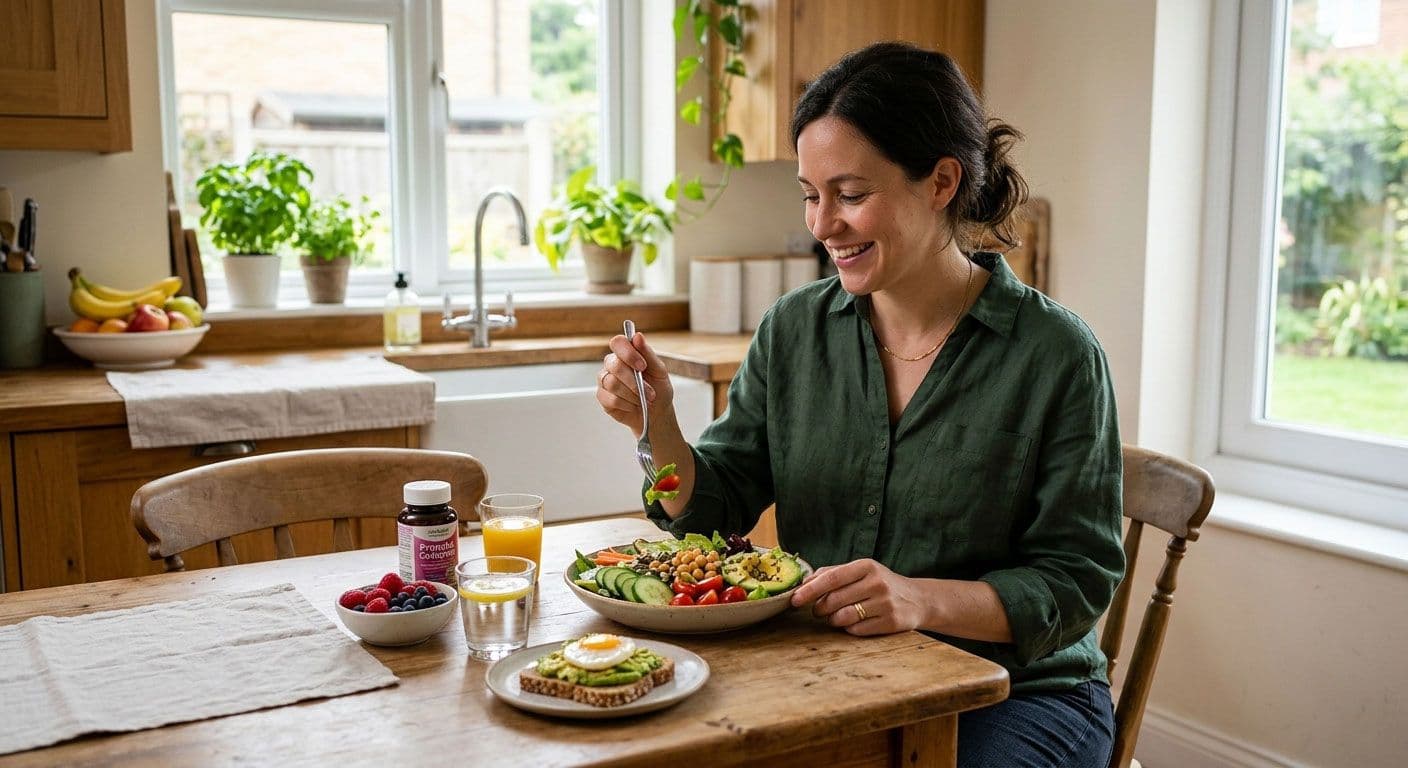
Supporting maternal gut health during pregnancy may include:
- Eating fiber-rich, whole foods
- Managing stress through mindfulness and rest
- Staying hydrated
- Avoiding unnecessary antibiotics
- Receiving prenatal guidance from a Holistic Care Provider
When the mother’s body is balanced, it creates a healthier internal environment for the baby’s early development.
Birth and the Microbiome: A Critical First Step
The birth process plays a key role in seeding a baby’s gut microbiome. During vaginal birth, babies are naturally exposed to beneficial bacteria that begin colonizing the gut immediately.
This early exposure helps:
- Train the immune system
- Improve digestion
- Lower infection risk
When birth plans change or medical interventions are needed, microbiome support can still be nurtured afterward through feeding and lifestyle practices guided by a knowledgeable Health Care Provider.
Breastfeeding: Nature’s First Probiotic
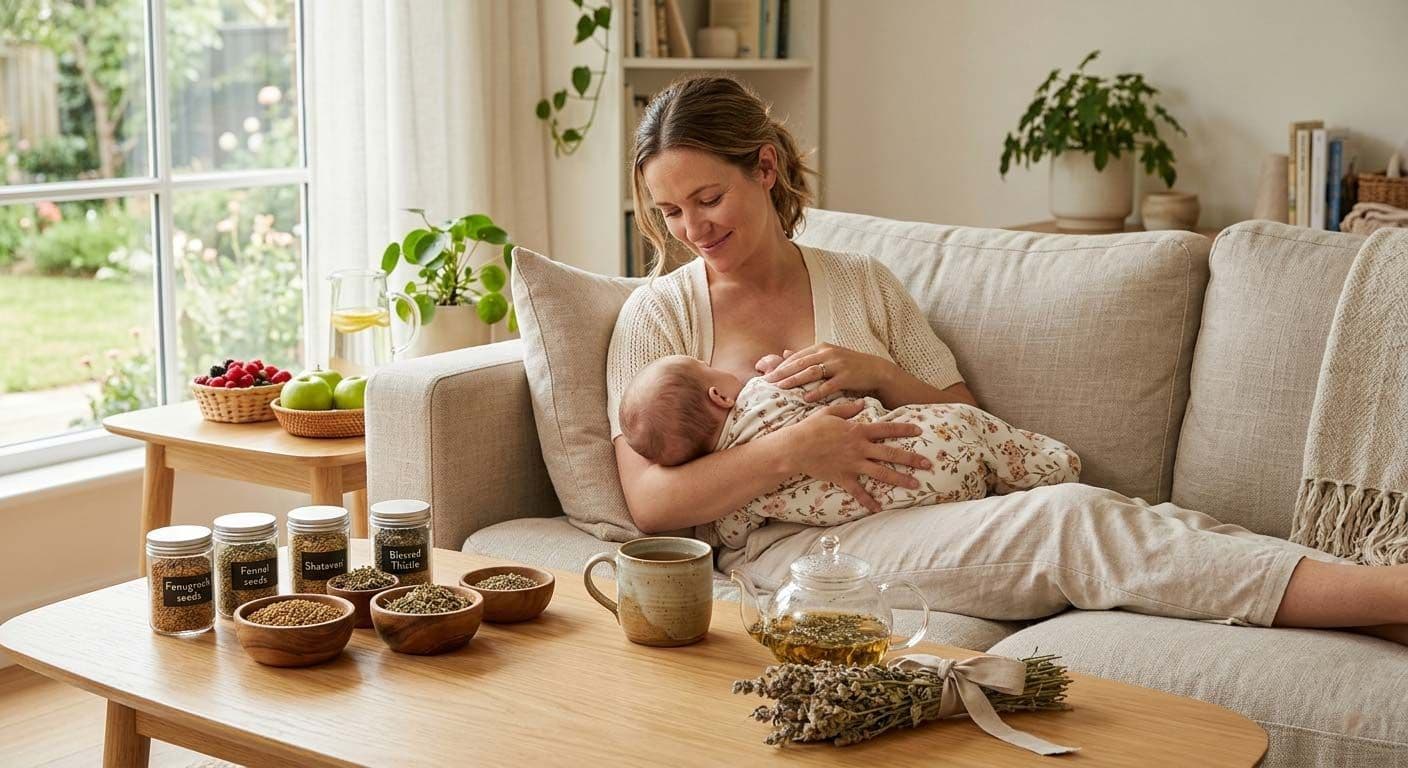
Breast milk is one of the most powerful tools for building a healthy infant microbiome. It contains:
- Beneficial bacteria
- Prebiotics that feed good gut microbes
- Immune-supporting antibodies
Breastfeeding supports:
- Healthy digestion
- Reduced colic and reflux
- Strong immune development
- Lower allergy risk
Even partial breastfeeding provides microbiome benefits, and families can receive individualized feeding support to meet their unique needs.
Introducing Solid Foods with Gut Health in Mind
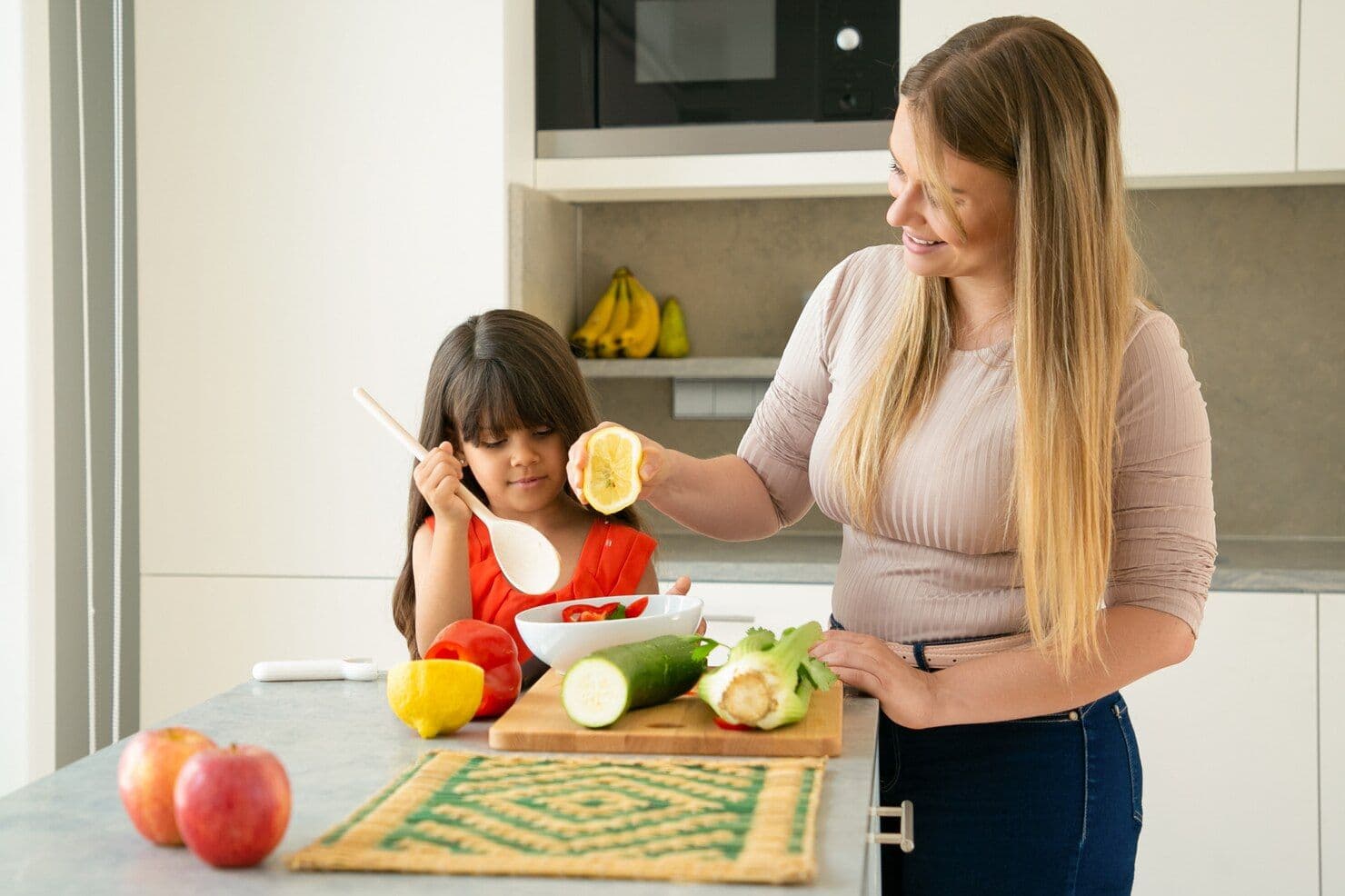
When babies begin solid foods, parents have an opportunity to further strengthen the gut microbiome.
Gut-friendly early foods include:
- Soft vegetables
- Fruits rich in fiber
- Fermented foods (when age-appropriate)
- Whole, minimally processed options
Introducing a wide variety of textures and flavors encourages microbial diversity, which is essential for long-term gut health.
A gradual, mindful approach helps the digestive system adapt smoothly.
The Role of Lifestyle in a Child’s Gut Health
Gut health is influenced by more than diet alone. From a midwife’s holistic viewpoint, daily habits matter just as much.
Important lifestyle factors include:
- Adequate sleep
- Outdoor play and exposure to nature
- Reduced stress in the home environment
- Limiting unnecessary medications
- Encouraging mindful eating habits
Children thrive when their nervous systems are calm, their routines are consistent, and their emotional needs are supported—because the gut and brain are deeply connected.
Signs Your Child’s Gut May Need Support
Parents should watch for signs that may indicate microbiome imbalance, such as:
- Frequent digestive discomfort
- Constipation or diarrhea
- Recurrent infections
- Food sensitivities
- Skin issues like eczema
- Behavioral changes linked to digestion
Early support can help rebalance the gut before issues become long-term challenges.
Why a Holistic Approach Matters
Rather than focusing on symptoms alone, holistic gut care looks at the child as a whole—nutrition, emotional well-being, environment, and family dynamics.
A Health Care Provider trained in holistic care considers:
- Family history
- Birth experience
- Feeding patterns
- Stress levels
- Sleep habits
This personalized approach supports sustainable, gentle gut healing rather than quick fixes.
Supporting Gut Health Is an Investment in Lifelong Wellness
When parents prioritize gut health early, they are investing in their child’s immune strength, emotional resilience, and overall vitality for years to come. From pregnancy through early childhood, thoughtful guidance makes all the difference. Working with a trusted Holistic Care Provider who understands the deep connection between birth, nutrition, and long-term wellness can help families make informed choices, and for parents seeking compassionate, personalized support, Clinique Molière in Brea, CA at (714) 948-5655 offers holistic women’s and family care focused on nurturing both mother and child from the very beginning.